AI & DATA CENTER COOLING

Metal 3D Printing for AI & Data Center Liquid Cooling

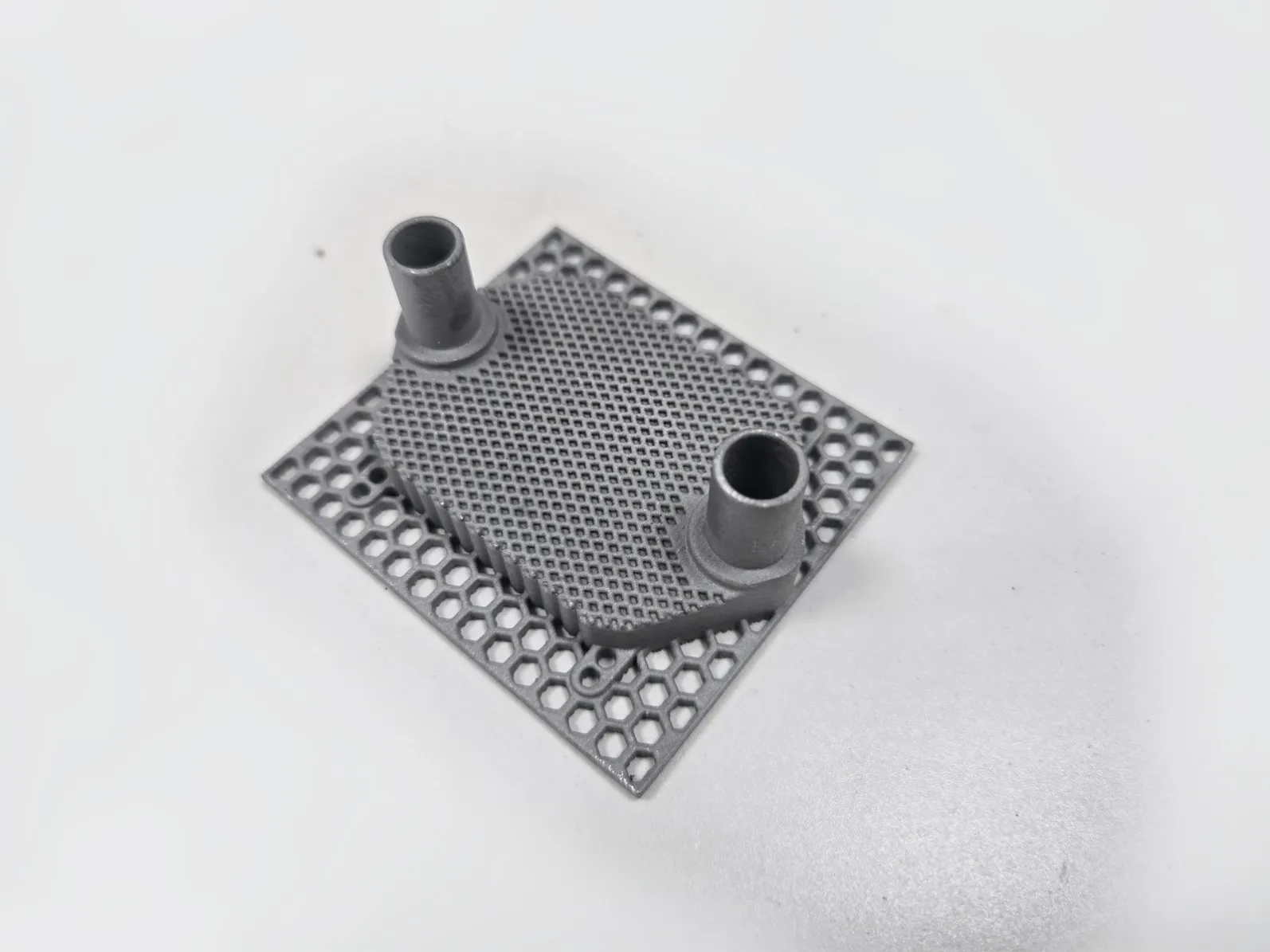
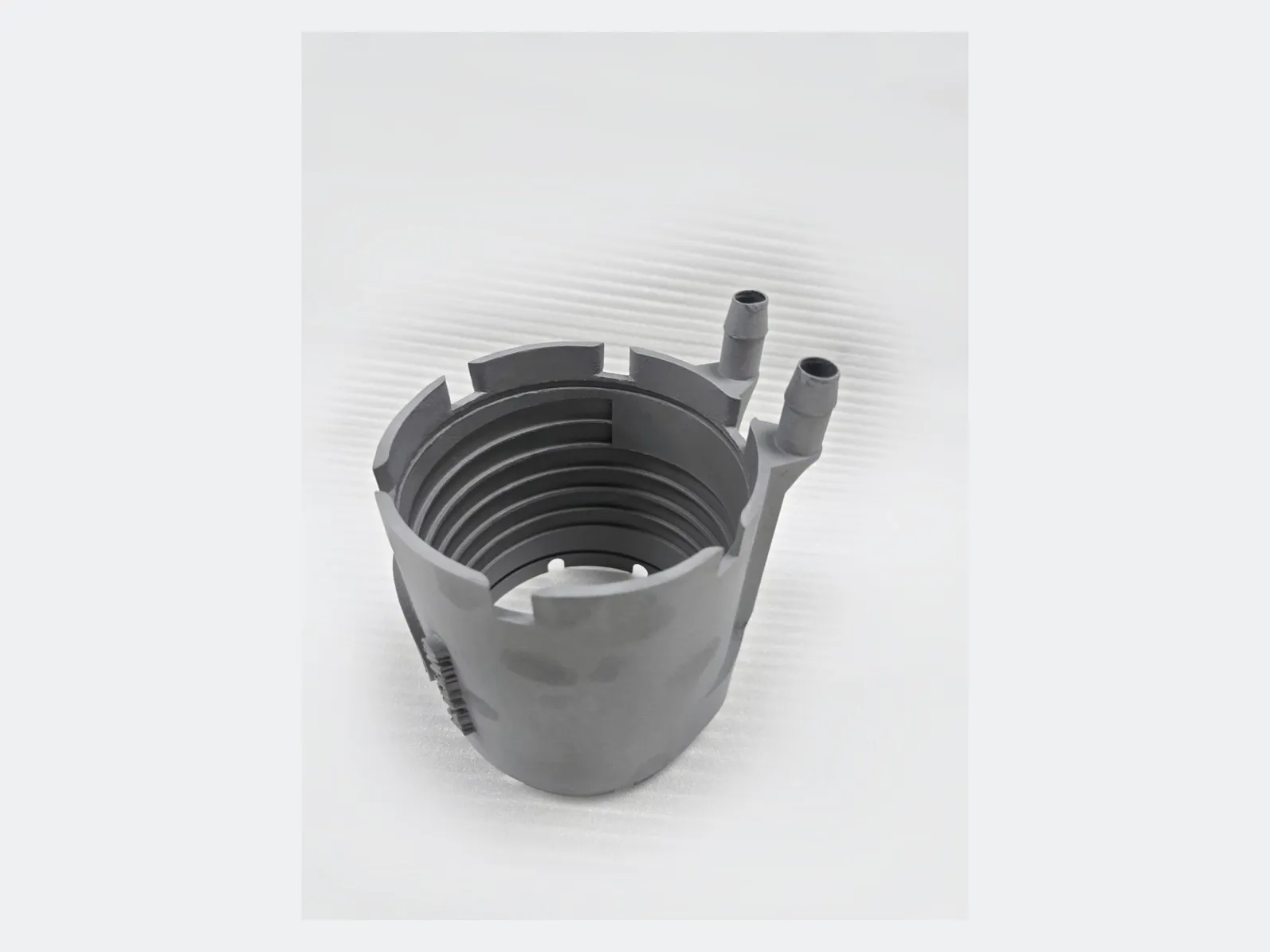
Liquid cooling components built for complex thermal designs. SLM-printed cold plates with conformal internal channels, thin-wall fins and integrated manifolds, finished by CNC machining. Pressure and leak testing as project requirements.

For data-center liquid-cooling systems, thermal-management R&D teams and cold-plate manufacturing procurement.

SLM-printed cold plates
Conformal internal channels
One-piece construction
No braze joints — fewer leak paths
CNC finish
Sealing interfaces machined to fit
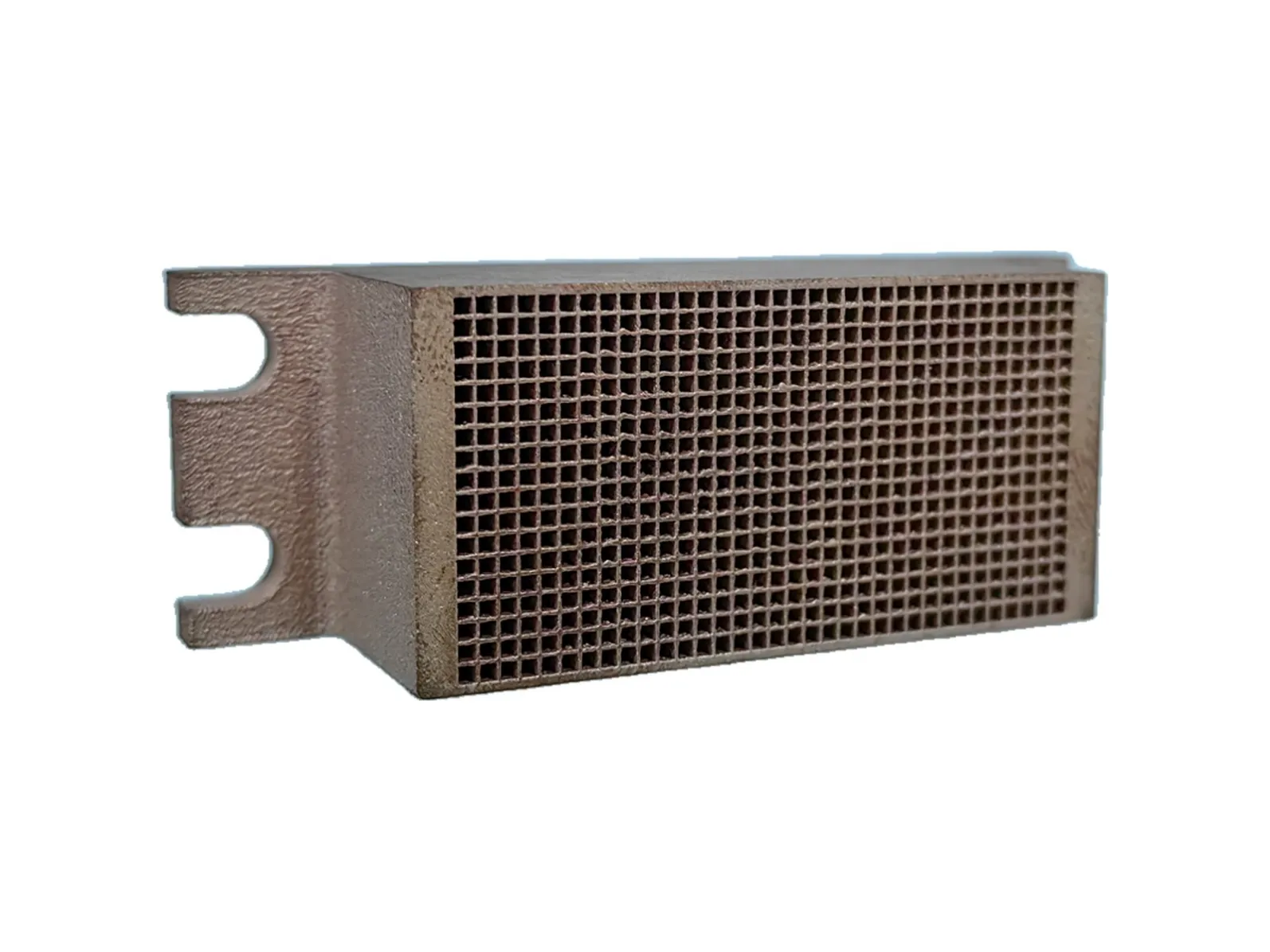
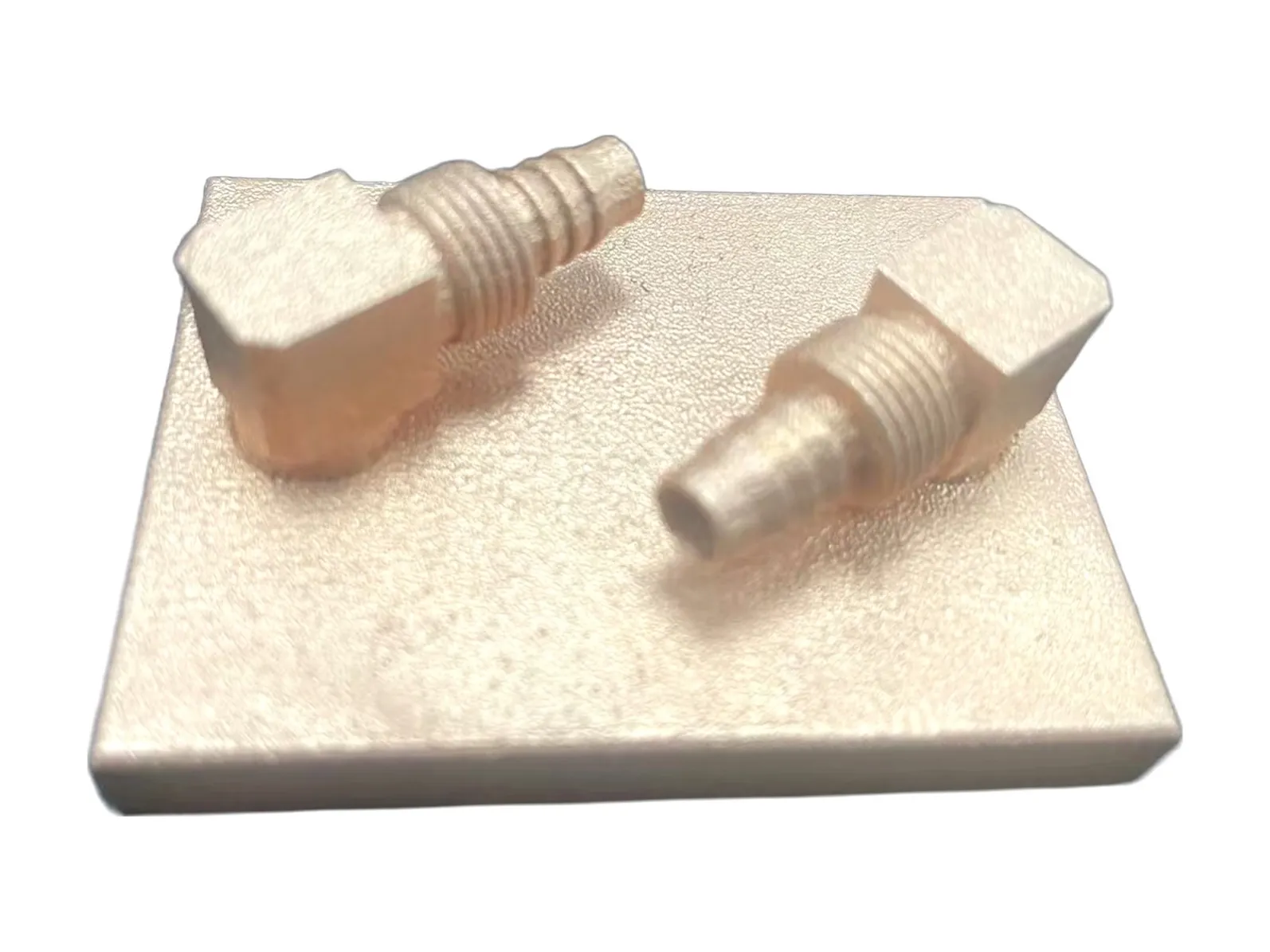
pure-copper-liquid-cooling-plate
SLM-Printed Cold Plates
AlSi10Mg / Copper

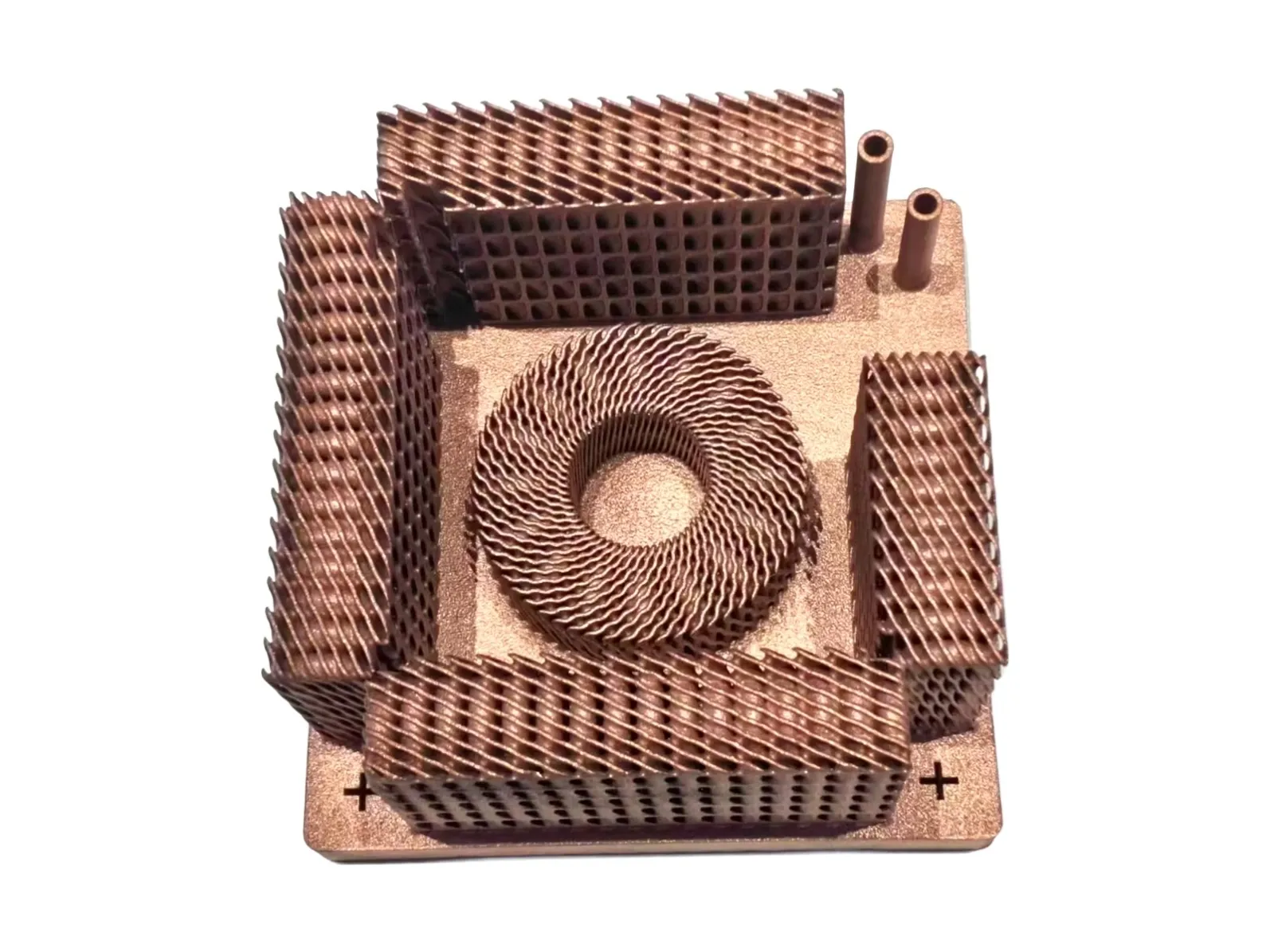
Conformal internal channels, thin-wall fins and integrated manifolds, finished by CNC machining.

Materials
AlSi10Mg and copper alloys
Components
Cold plates, manifolds, heat exchangers
Validation
Pressure and leak testing as required

ENGINEERING CHALLENGES

Engineering Challenges

Liquid-cooling hardware for AI and data-center systems must move heat through compact, complex geometry — and still be manufacturable, sealed and tested.

01 / Thermal Management1

Thermal Management

High-density AI hardware concentrates heat in a small footprint, and coolant must reach every channel evenly — uneven flow leaves hot spots and reduces the performance of the whole cooling loop.

Heat dissipation / Flow distribution
02 / Complex Internal Channels2

Complex Internal Channels

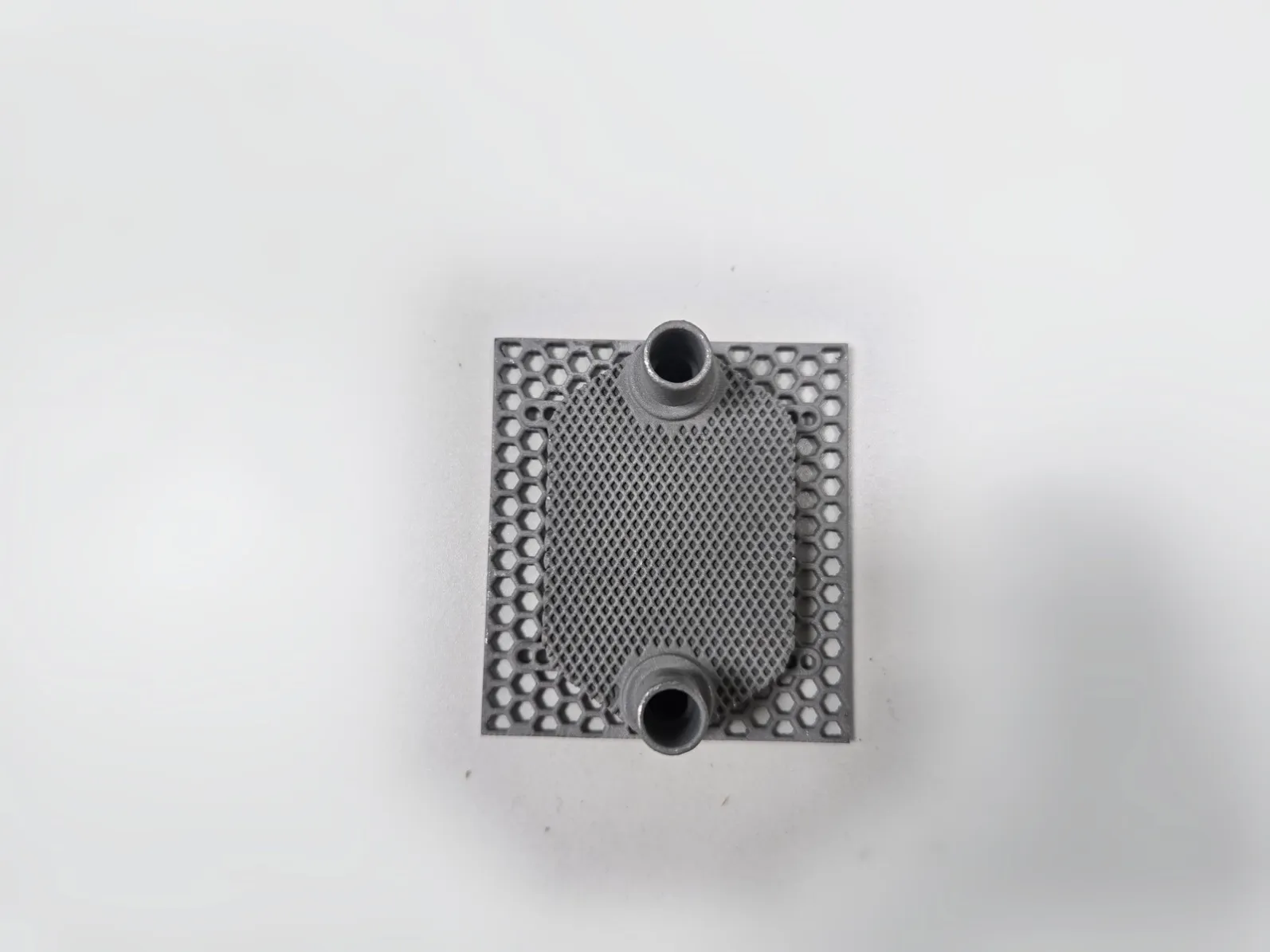
Cold plates and manifolds must fit tight spaces inside servers and racks, with internal channels, thin walls and sealing interfaces in one part.

Thin walls / Internal channels
03 / Manufacturability3

Manufacturability

Complex internal channels are difficult to machine, braze or assemble — and every joint is a potential leak path that must be inspected and tested.

One-piece printing / Leak testing

Featured case — Copper cold plate

Copper Cold Plate Sample

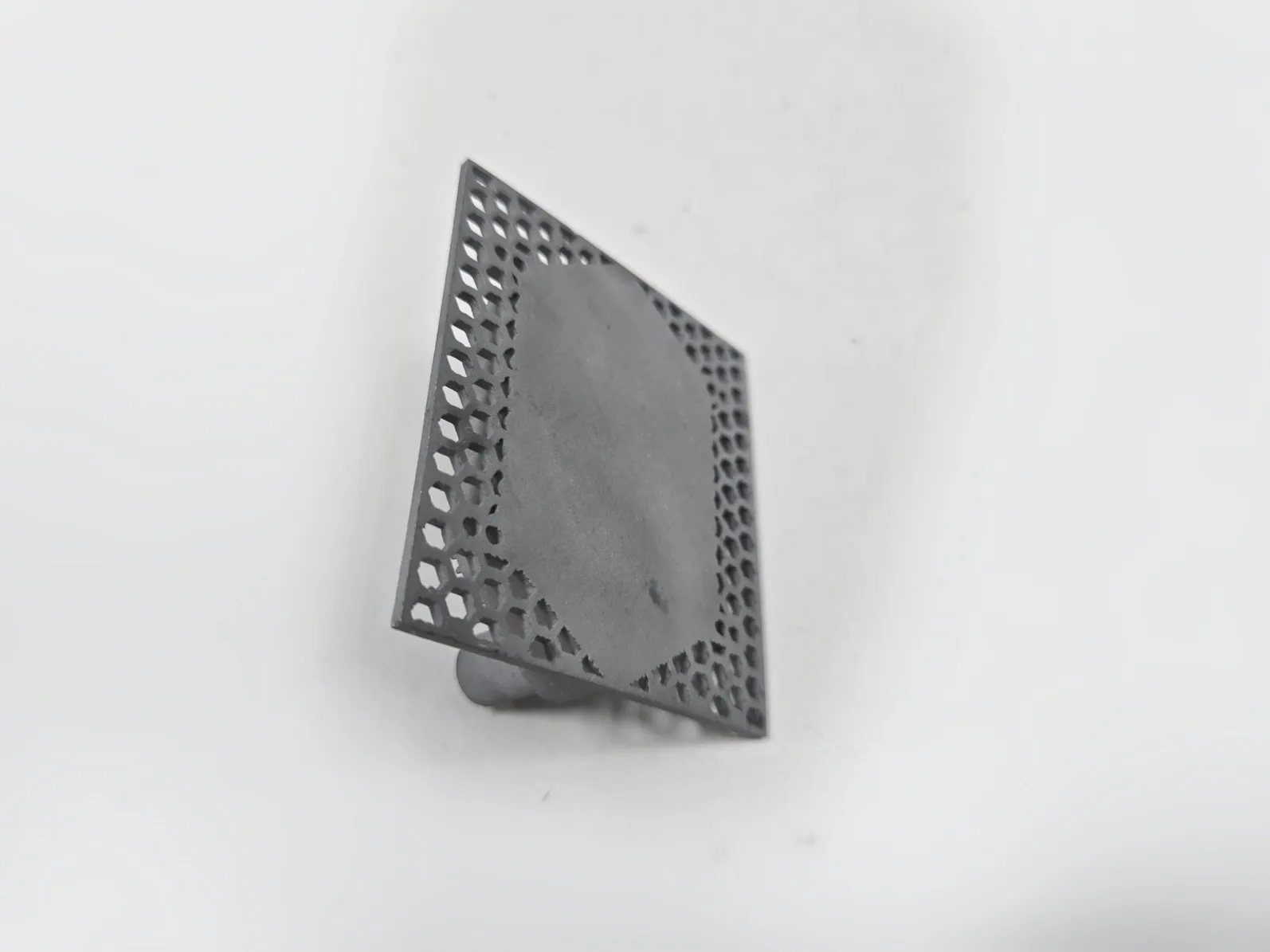
The part in the hero above is a genuine copper cold plate. Its internal channels are not visible in the photo.

01 / Material & process1

Material & process

Pure copper, printed by metal 3D printing (SLM / LPBF) as one piece, so the plate has no braze joints and fewer leak paths. Copper is used where the design calls for it; the choice depends on the part, the coolant and the process.

Pure copper / SLM
02 / Visible features2

Visible features

Two threaded fittings on a one-piece copper body with no braze joints, so there are fewer leak paths. The internal channels are inside the part and are not visible in the photo.

One piece / two fittings

Design review

What We Review for Your Cold Plate

Before production, we review your cold plate design with you. These are the points we check, and agree on, before we print.

01 / Channel powder removal1

Channel powder removal

We review the channel size, layout and bends for flow distribution and for whether unfused powder can be removed after printing, and agree on a verification method for critical internal channels before production.

Powder removal / verification
02 / Sealing-face machining2

Sealing-face machining

Flat sealing faces, ports and O-ring grooves are finished by CNC machining so the component seals reliably in assembly.

CNC finish / sealing faces
03 / Pressure and leak testing3

Pressure and leak testing

Pressure testing and airtightness/leak testing are carried out where the project requires it, to criteria agreed in advance.

As project requirements
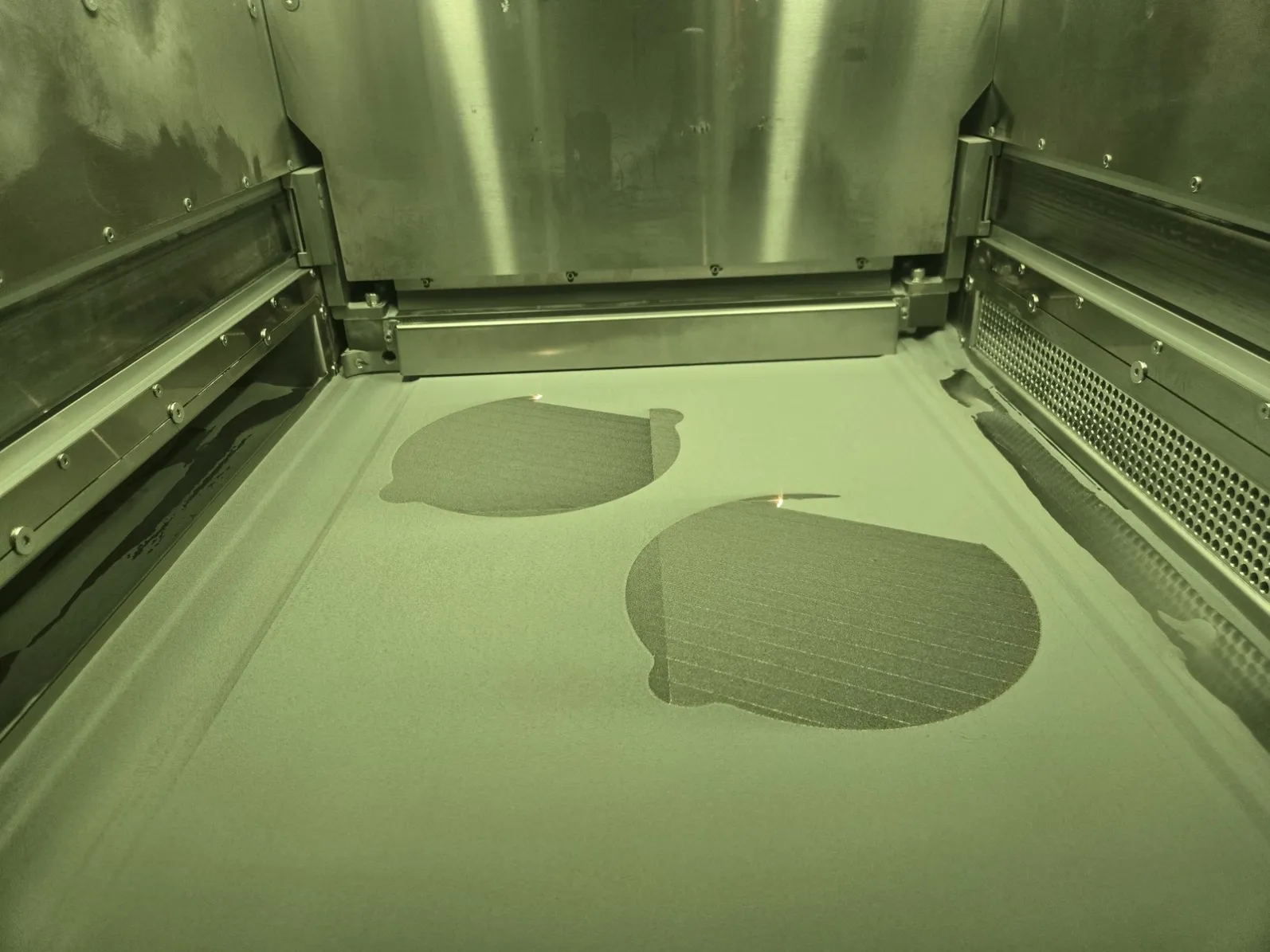
slm-printing-01-web

MANUFACTURING CAPABILITIES — 01

Metal LPBF / SLM

Laser powder bed fusion builds cold plates and manifolds with conformal internal channels and thin-wall fins that cannot be machined. Parts are printed as one piece, with no braze joints.

Conformal internal channels

Channels are printed inside the part as one piece, with no braze joints.

Thin-wall fins

Thin-wall fins and channel walls save space and weight, and remain printable and strong enough for the application.

One-piece construction

Parts are printed as one piece, with no braze joints — fewer leak paths.

Explore Metal 3D Printing

MANUFACTURING CAPABILITIES — 02

CNC Finish Machining

Precision CNC machining finishes flat sealing interfaces, ports and mounting features to the tolerances the design requires, after printing.

Sealing interfaces, ports and O-ring grooves are finished by CNC machining so the component seals reliably.

MANUFACTURING CAPABILITIES — 03

Post-Processing & Inspection

After printing and CNC machining, parts are finished for assembly — then checked before delivery.

Sealing faces

Flat sealing interfaces, ports and O-ring grooves are finished by CNC machining so the component seals reliably.

Surface finish

Internal channel surfaces and external sealing faces need the right finish for flow and for leak-tight assembly.

Assembly-ready

Surface finishing prepares sealing faces and external surfaces after printing and machining, ready for assembly and leak testing.

Explore Post-Processing

Materials

Materials

Material choice depends on the part, the coolant and the process. The materials below are used for liquid-cooling components, subject to actual process capability.

01 / Copper and Copper Alloys1

Copper and Copper Alloys

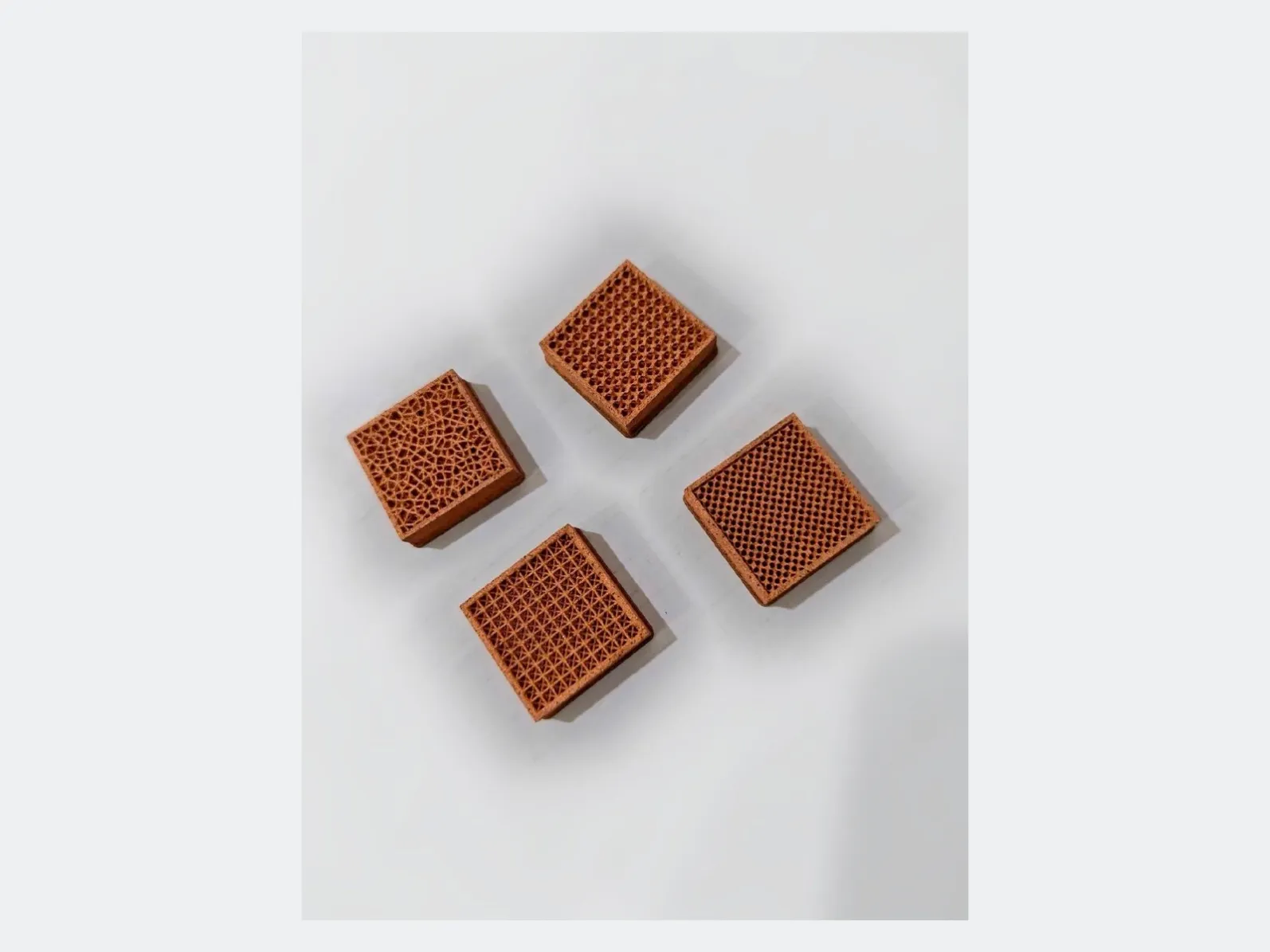
Copper and copper alloys are used where the design calls for them. Suitability, wall thickness and channel geometry are reviewed for each part — not every copper design can be printed the same way.

Subject to process capability
02 / AlSi10Mg2

AlSi10Mg

AlSi10Mg is an aluminium alloy used for SLM-printed cold plates and manifolds, combining light weight with complex internal geometry.

SLM / Lightweight
03 / 316L3

316L

316L stainless steel is used where corrosion resistance and strength matter for cooling components in demanding environments.

Corrosion resistance / Strength

MATERIALS & DESIGN CONSIDERATIONS

Design Considerations

Before production, our engineering team reviews the design for manufacturability — these are the points we check with you.

Channel size, layout and bends affect flow distribution and whether powder can be removed after printing.

DESIGN CONSIDERATIONS

What We Check Before Production

The five points below are reviewed with you before production.

Share your drawings and we will review these points with you.

ENGINEERING REVIEW & QUALITY

From Drawings to Delivery

Share your drawings, material requirements and target quantity — our engineering team reviews the design for manufacturability, then manufactures and checks the part before delivery.

Every cooling component is checked before delivery. The checks are agreed with you as project requirements.

ENGINEERING REVIEW & QUALITY

Engineering Review & Quality

Every cooling component is checked before delivery. The checks below are agreed with you as project requirements — tell us what your assembly needs.

01 / Engineering Review1

Engineering Review

Share your drawings, material requirements and target quantity. Our engineering team reviews the design for manufacturability before production.

Drawings / Design review
02 / Dimensional Inspection2

Dimensional Inspection

Critical dimensions, flatness of sealing interfaces and port positions are inspected against the drawings before the part leaves the factory.

Drawings / Tolerances
03 / Pressure and Leak Testing3

Pressure and Leak Testing

Pressure testing and airtightness/leak testing are carried out as project requirements, so leak paths are found before the component is assembled into the cooling loop.

As project requirements

Request a Quote

Let's Manufacture Your Next Cooling Component.

Have a complex part to manufacture? Share your drawings, material requirements and target quantity. Our engineering team will review your project and prepare a quotation. Send STEP, STP, STL, IGES, PDF or other technical drawings to sales@metalprintingservices.com.

Email
sales@metalprintingservices.com
Phone
Office
Hours

Inquiry intake

Send the details

Please complete the form below.

0/120
0/1200